

What’s Happening: New Research
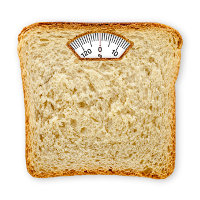


Gary Taubes is one of the best-known proponents of the insulin hypothesis – the theory that carbohydrates, not excess calories, are the root cause of obesity – and this week he’s announced a study that hopes to examine this theory more closely. Run by the Nutrition Science Initiative (which Taubes co-founded with Peter Attia last year), the study will test a small group of obese patients under lab conditions, to see what happens when they switch from a high-carb to a low-carb diet, but keep the calories the same.
Not everyone is so keen on the idea, though. One obesity doctor takes a more critical line, pointing out that low-carb diets do indeed lead to short-term weight loss, but don’t always keep it up for the long haul.
Tired of the carb debate already? Try some of the other news from this week.
- An interview with a food marketing expert on the Bulletproof Executive podcast gives the dirty details on how food marketers influence your brain, and how you can use those same techniques to steer yourself towards healthy foods.
- Bringing up anything about the research of Dr. Weston A. Price always begs the question: what about all the healthy cultures who ate grains? In this week’s podcast, Chris Kresser suggests one potential answer.
- An article all about gut flora and obesity? This must be alternative medicine, right? Wrong! It’s the latest research from the journal Nature. Researchers in Denmark found significant differences between the gut flora in obese and non-obese subjects, with the obese people more likely to suffer from lower species diversity and systemic gut inflammation.
- Troubleshoot your all-natural skincare with is post from Liz Wolfe on the top 3 problems that people have with all-natural deodorant, and how to fix them. No, cavemen didn’t have deodorant, but cavemen also didn’t have to wear white shirts to work, so we’ll call it fair play.
- Dr. Briffa reports on a new study confirming that high-protein diets combined with strength training help reduce (but not prevent) muscle wasting during weight loss. Paleo tends to be relatively high-protein anyway, but if you’re running a big caloric deficit, it might be time to go harder on the tuna, and easier on the pork belly.
- Food prep might be time-consuming and irritating sometimes, but how many people really want to drink the same beige smoothie three times a day instead? Quite a few, apparently, judging from the huge wave of interest in a food-replacement drink ironically named soylent. Kristen at Food Renegade is skeptical.
Would you appreciate the convenience of soylent? Or would you rather eat real food? Let us know on Facebook or Google+!
P.S. Have a look at the Paleo Recipe Book. It's a cookbook I've created to help you cook the best Paleo food. It contains more than 350 recipes and covers everything you'll ever need.

↓


- Over 350 easy recipes divided into 18 food categories. Enough options to cover everything you will ever need.
- 100% Paleo aproved: No grains, no dairy, no legumes, no sugar, no vegetable oils and no preservatives.
- Cooking guides and charts to help you cook just about anything.








Articles and information on this website may not be copied, reprinted, or redistributed without written permission.
All material on this website is provided for your information only and may not be construed as medical advice or instruction. No action or inaction should be taken based solely on the contents of this information; instead, readers should consult appropriate health professionals on any matter relating to their health and well-being.
The information and opinions expressed here are believed to be accurate, based on the best judgement available to the author, and readers who fail to consult with appropriate health authorities assume the risk of any injuries or health issues.