

What’s Happening: Lazy Arguments


Building a serious case for something you believe in is hard, which makes lazy arguments (dishonest shortcuts that are only compelling until your audience sees through them) unfortunately popular. One common lazy tactic is to cut corners with your citations: why bother finding relevant and convincing studies when you can just cite an abstract with some related words in the title and trust that your readers won’t check references? And then there are all the lazy debating techniques: scare tactics, appealing to authority instead of providing any evidence at all, ad hominem attacks…all this to save the energy of making a serious argument and backing it up with relevant evidence.
This week, read up on ways to avoid getting duped by these underhanded arguments:
- (Warning: this post upset a lot of Facebook readers because they didn’t understand that it’s intended as satire. Read it all the way to the end before passing judgment!) Melissa McEwen shows that you can “prove” anything by citing studies, even the myriad dangers of kale.
- Amber Rogers at Go Kaleo presents a guide to recognizing straw man arguments, and why you shouldn’t let yourself be taken in by them (or get tempted to make them).
- Have you ever wished that you had a little more of a scientific background, but don’t have a lot of time to spend on it? J. Stanton suggests you should buy an exercise physiology textbook instead of wasting your time and energy trying to piece together Wikipedia articles.
Once you’ve flexed your skeptic muscles a little bit, practice them on the rest of this week’s news.
- Carl Lanore at Super Human Radio hosted an autoimmune Paleo discussion this week with Whitney Ross Gray, Sarah Ballantyne, Paul Jaminet, and Terry Whals – definitely worth a listen if you’re trying to use Paleo as therapy for an autoimmune disease.
- Stephan Guyenet examines a new study that explores the issue of refined carbohydrates, and whether or not they can properly be called “addictive.”
- Jason Seib at Everyday Paleo lays out a simple, down-to-earth fat-loss template: it’s not a quick fix, but a long-term approach to help you stay on target.
- A guest post at Scientific American takes on the problems with artificial sweeteners. If your body thinks there’s some sugar coming its way, tricking it with a 0-calorie product might not actually be the best way to go.
- Mark Sisson looks at the claims that a gluten-free diet is just a fad. We’ve all heard this one before, usually followed by some argument about nutritional deficiency from not eating all those healthy whole grains. Check out the Paleo comeback, and arm yourself against the naysayers.
- Dr. Briffa looks at the evidence that sleep deprivation might be one of the factors contributing to obesity rates. On top of the metabolic consequences, people who are sleep-deprived tend to feel hungrier and gravitate towards calorie-dense, nutrient-poor food choices.
Do you have any tips and tricks for making good food choices when you’re tired? Let us know on Facebook or Google+!
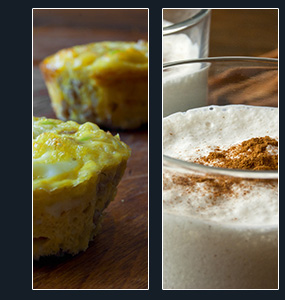
P.S. Have a look at the Paleo Recipe Book. It's a cookbook I've created to help you cook the best Paleo food. It contains more than 350 recipes and covers everything you'll ever need.

↓


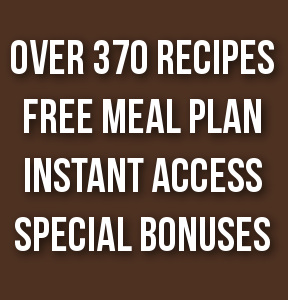
- Over 350 easy recipes divided into 18 food categories. Enough options to cover everything you will ever need.
- 100% Paleo aproved: No grains, no dairy, no legumes, no sugar, no vegetable oils and no preservatives.
- Cooking guides and charts to help you cook just about anything.






Articles and information on this website may not be copied, reprinted, or redistributed without written permission.
All material on this website is provided for your information only and may not be construed as medical advice or instruction. No action or inaction should be taken based solely on the contents of this information; instead, readers should consult appropriate health professionals on any matter relating to their health and well-being.
The information and opinions expressed here are believed to be accurate, based on the best judgement available to the author, and readers who fail to consult with appropriate health authorities assume the risk of any injuries or health issues.