


What’s Happening: Hormones
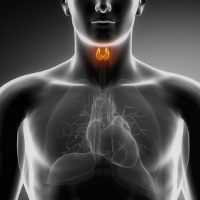


They make us miserable when we’re 16, but by the time we’re out of high school, most of us have made peace with our hormones…or not. After all, they’re still ruling the metabolic roost, with the power to change our lives for the better, or for the worse. This week, take a look at two intriguing hormone-related tidbits:
- How My Exercise Addiction Suppressed My Thyroid And Made Me Gain 10 Pounds in One Month (The Great Fitness Experiment): Your thyroid controls every hormone in your body – so if you’ve got thyroid problems, you’re really in trouble. As the Charlotte puts it, “Your thyroid is basically the corrupt dictator of your body: it controls everything, is very picky, and if you defy it, it will burn your house down.” This article is a first-hand look at the ways your body will fight back if you abuse it with extreme amounts of exercise.
- Why Cortisol is Good for You (SCD Lifestyle): Cortisol really gets a bad rap as the “stress hormone,” but too little can be just as dangerous as too much.
Hormones aside, there’s also plenty of other news this week:
- You’ve probably read about the latest study comparing Oreos to cocaine (if you haven’t, it’s here). But Beth at Weight Maven thinks the comparison is nonsense: we should really be looking at the environmental causes of food “addiction” (if such a thing exists), not the food itself. In other words, it’s not the Oreos per se; it’s the entire modern food environment that creates the addictive response.
- Continuing with the “study takedown” theme, Marion Nestle tears into a Coke-funded study on Americans’ reported calorie intakes. The study pointed out that the reports are almost certainly wrong – but we already knew that. The real motive of the study was to “prove” that increased calorie consumption from Coke isn’t to blame for rising obesity rates, and so we can all drink our sugar water without fear.
- Worried about environmental toxins in your beauty supplies? There’s an app for that.
- Dr. Briffa makes the case for a non-judgmental approach to talking about and treating obesity: putting people down as “fatties” is just pointlessly cruel, especially coming from your doctor.
- Mark Sisson takes on the (inevitable) backlash against barefoot running, and explains why it’s really just an example of media fickleness, not a problem with foregoing shoes.
- Candy season is coming up fast: Eat Play Love More has some suggestions for how to de-crap Halloween.
- Carbohydrates: Let’s All Take A Breath. A valuable piece of common sense from Robb Wolf’s blog suggests that we’ve all gotten ourselves worked up a little too far over the carb issue. Just because low-carb can be a valuable therapy for people with pre-existing medical problems, doesn’t mean it’s necessary for healthy people as a preventative measure.
Have you ever had an issue (carbs or anything else) that you realized you were getting a little too passionate about? What did you do about it? Let us know on Facebook or Google+!
P.S. Have a look at the Paleo Recipe Book. It's a cookbook I've created to help you cook the best Paleo food. It contains more than 350 recipes and covers everything you'll ever need.

↓


- Over 350 easy recipes divided into 18 food categories. Enough options to cover everything you will ever need.
- 100% Paleo aproved: No grains, no dairy, no legumes, no sugar, no vegetable oils and no preservatives.
- Cooking guides and charts to help you cook just about anything.









Articles and information on this website may not be copied, reprinted, or redistributed without written permission.
All material on this website is provided for your information only and may not be construed as medical advice or instruction. No action or inaction should be taken based solely on the contents of this information; instead, readers should consult appropriate health professionals on any matter relating to their health and well-being.
The information and opinions expressed here are believed to be accurate, based on the best judgement available to the author, and readers who fail to consult with appropriate health authorities assume the risk of any injuries or health issues.