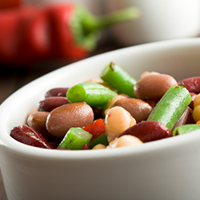
Unlike wheat, corn, and sugar, legumes aren’t generally associated with “junk food” or processed food products. It’s easy to conjure up hyperbolic images of Twinkies and Wonderbread to demonize wheat, but lentil soup and hummus just don’t have the same effect. Some legumes, like soy, are even widely considered to be health foods, and marketed as nutritionally superior alternatives to animal...

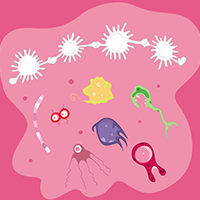
Most of us rarely appreciate our immune system until something goes wrong. We mostly notice it when it breaks down: when we catch a cold, or during the seasonal scramble for Vitamin C supplements in October and November. But if the immune system only existed for the first few weeks of chilly weather every year, we’d all be in serious trouble – every day, it’s busy keeping us healthy and functional,...

The end of December is a bizarre time of year. So many people are busily stuffing themselves with all the cake and candy they can manage, while making heartfelt plans to completely overhaul their diet and exercise routines as soon as January 1 rolls around. Paleo holidays don’t have to include the traditional sugarfest, of course, but many people still like to join in the tradition of...

A Paleo diet can help you increase your fertility, but after conception comes a whole new set of diet questions and problems. From coping with bizarre cravings to choosing from the huge variety of prenatal supplements to interpreting the increasingly massive amount of literature on fish and mercury, gestational nutrition is a rollercoaster. In some ways, even conventional doctors support a more Paleo-style...

Every entrepreneur knows the “elevator speech:” an explanation of your business or product that you can start and finish in the space of an elevator ride – 1 minute or less. The idea is to have a quick but engaging description of what your company does and why it’s significant, so that you’re prepared to take advantage of any chance meetings with important industry players. The Paleo diet isn’t...

In theory, holidays are a time of joy and celebration. In practice, even the most superficial attention to health and nutrition can make the month-long festival of candy canes, chocolate Santas, and seasonal Starbucks drinks a challenge. At first, the idea of “surviving” the holidays seems silly: if they’re that unpleasant, why participate in the first place? But it’s not always possible to opt out...
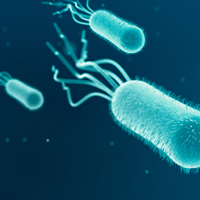
Chronic diseases (health problems that last for months or years, like arthritis and cancer) are draining and frustrating. Often, doctors can only treat the symptoms – and often, even that isn’t particularly effective. For many people a Paleo diet can bring relief from the symptoms of chronic diseases, especially gut diseases like Crohn’s Disease, celiac, or diabetes. For others, though, symptoms...
On the Paleo diet, it’s easy to focus on food – what foods and how much to eat, when to eat them, (or not to eat them), and where to get them. But food isn’t the only kind of nourishment that you get through your mouth: water is just as important, if not more so. By weight, the human body is more than 50% water, and we need it for everything from good digestion to healthy skin. This means that...
Introduction
Evolution is all about fertility: the most beneficial adaptation in the world for gathering food, avoiding predators, or surviving disease is only evolutionarily useful if it helps the organism stay alive and reproduce, to pass its genes down to the next generation. Anything that helps us live long enough to raise children is technically useful for fertility, but when most people in the modern...
What Is the Thyroid?
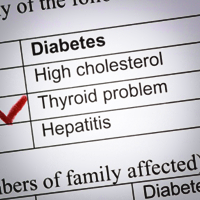
Tucked away just below your Adam’s apple, the thyroid gland doesn’t look like much, but it’s one of the most important parts of endocrine system, the network of glands that regulate your hormones. The thyroid is a particularly important part of the endocrine network because it controls how sensitive your body is to other hormones. And endocrine cells aren’t the only ones...
Introduction
It sneaks in everywhere, hiding behind a long list of different names and clever disguises. It creeps into tomato sauce, lurks in every salad dressing, and infiltrates otherwise-innocent canned soups. Even bacon isn’t safe! If you spend any time at all on the Paleo diet, you practically start to see sugar peering out from behind every corner, shrouded in a black trench coat and hatching...
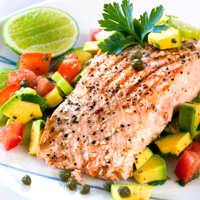
Most people’s mental image of “meat” is a thick, juicy T-bone steak. On the Paleo diet, bacon might be a close second. But while there’s nothing wrong with steak and bacon, focusing too closely on just a few kinds of animals can lead to a very limited menu of poultry, beef, and pork. Even if you eat a variety of organs and different cuts of meat, restricting yourself to land animals like this can...
Introduction: What Is IBS?
Irritable Bowel Syndrome (IBS) is a frustratingly general disorder that can cause a wide range of digestive symptoms: constipation, diarrhea, gas, bloating, and general abdominal discomfort. In general, there are three basic types of IBS, classified according to the type of digestive problem involved. Patients with IBS-D suffer mostly from diarrhea; patients with IBS-C suffer...
A Paleo diet makes many people much more aware of how the foods they eat affect their body – without the constant low-level gut problems caused by unhealthy modern foods, occasional digestive issues are much more noticeable. But not all stomachaches are created equal – a food allergy, a food intolerance, and a negative reaction to food toxins are three different problems, and it’s important to...
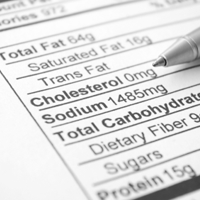
Food policy takes a back seat in electoral debates, but as a political topic, it’s every bit as important as education reform or economic recovery. Control over someone’s food is control over their body. For an individual, this can make the difference between a life of health and a life of illness; on a public policy level, it has serious economic consequences (in 2008, the medical cost of obesity in...

Biologically, a toxin is naturally occurring substance that harms other living organisms. Man-made chemicals are not technically “toxins,” but in practice, the term is also used to refer to artificial substances that are hazardous to human health. Followers of the Paleo diet are familiar with food toxins like gluten, lectins, and phytic acid: these are all harmful parts of the modern diet and should be...

It’s 4 p.m., you haven’t eaten since breakfast, you’re hauling two oversized carry-on bags and a cranky toddler around an unfamiliar airport terminal, trying to find the new gate for a flight that just got delayed another hour, and you’re getting desperate. Somewhere, somehow, there has to be something you can eat. Sometimes there is, and sometimes you have make do with a bunless McDonald’s patty...
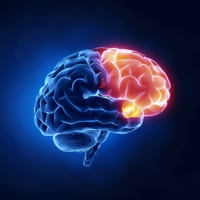
The Gut-Brain Axis
From the warm security of “comfort food” to the grouchiness and irritability of a sugar crash, most people know that what you eat affects how you feel. This isn’t just “common sense:” scientists are increasingly discovering that a healthy gut is crucial to mental well-being, going so far as to describe the roughly 100 million neurons embedded in your gut as a “second...
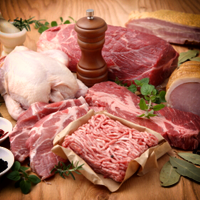
Lean protein is the darling of the diet industry. Still married to the same low-fat dogma that brought us the obesity epidemic in the first place, mainstream weight-loss programs can’t recommend a diet based on fat. With the growing popularity of low-carb diets for weight loss, carbohydrates have also become a black sheep, leaving protein as the only “good” macronutrient left.
Paleo dieters,...

Friendly gut bacteria are an important part of your health – they keep the digestive system running smoothly, help you break down your food and absorb nutrients from it, and support healthy immune function and metabolic regulation. Unfortunately, these beneficial gut flora have a gang of sinister cousins: bacteria like Streptococcus and Eschericia coli that can cause serious diseases. To fight diseases...

Most people following Paleo find it as adults, often after a long and frustrating search for a way of eating that won’t cause an endless series of digestive issues, autoimmune flare-ups, or other problems. Switching to a Paleo diet at any age is better than continuing to eat grains, seed oils, and other harmful modern foods, but many of us are left wishing we could have discovered it earlier, avoiding...

When it comes to Paleo, one of the few food groups that almost everyone agrees on is grains. Grains are not only nutritionally unnecessary, but even downright harmful, packed with toxic antinutrients and inflammatory proteins like gluten. For many people, they’re also problematic for their high carbohydrate content, but even advocates of safe starches generally recommend eating starchy tubers like sweet...
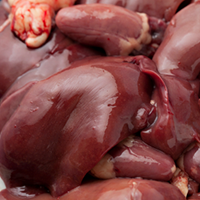
If the Paleo diet were a comic book movie, liver would be the superhero. It’s the closest we can get to an all-natural, completely unprocessed multivitamin pill, wrapped in a delicious (really!) and inexpensive package. Although it does pose some health risks if you eat it to excess, a moderate amount of liver can add powerful nutritional boost to your diet.
Health Benefits of Liver
Ask most people where...
The lunacy of the low-fat craze has taught most Paleo dieters to look at public health campaigns with a healthy dose of skepticism. We don’t blindly accept established medical wisdom just because the doctor said so, or reflexively adjust our diet to every new recommendation that comes along. But that doesn’t mean that the medical establishment is always wrong – and the campaign to reduce sodium seems...

If you’ve ever tried to explain Paleo to a skeptic, you’ve probably encountered this argument. It’s not usually the first objection, but somewhere after “…not even whole wheat?” and “but doesn’t saturated fat give you heart disease?” comes “and didn’t cavemen all die when they were 25? Why would you want to eat like that?”
Statistics 101: Average vs. Mode
The argument that the Paleo...

Ancient bodies, modern world
The human genome didn’t undergo any drastic fat-storing mutations around 1990. But the obesity rate has skyrocketed in the past 20 years, reaching almost 36% in 2010. The problem is not with our bodies - physiologically, we’re the same as we always were. The problem is the disjunction between the world we evolved to thrive in and the world we actually have to deal...
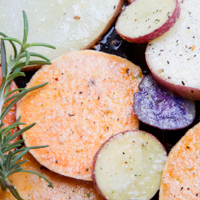
A Paleo diet emphasizing high-quality meat and fresh vegetables will naturally be lower-carb than a standard American diet based on cheap carbohydrates like wheat and other cereal grains. By excluding foods that contain toxins (like gluten and lectins), a Paleo diet replaces many starches with fat and protein, effectively treating the problems that spring from a carb-heavy modern diet, especially metabolic...
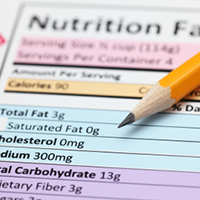
Taken within the context of modern food culture, Paleo can easily start to seem like an endless list of limitations: no grains, no legumes, no seed oils, no processed foods… Paleo appears to be a series of restrictions or deviations from the “normal” diet that everyone would presumably eat otherwise. But Paleo only appears restrictive in the context of a warped food system that floods our diet...

Food, Culture, and Eating Disorders
Food is one of the most ancient media of human cultural exchange. From the Last Supper to the dinner date, food is a sign of community. We show religious devotion by fasting; we mark our celebrations with feasting. Food is more than fuel; it’s one of the tools we use to construct our culture.
Unfortunately, you can break someone’s arm with a hammer just as easily as...
Every minute, three people in the U.S. are diagnosed with diabetes. Unknown in traditional cultures but an increasingly serious epidemic in the modern world, diabetes affects more than 25 million people in the U.S. alone, with 79 million more who are pre-diabetic or have other diabetes-related metabolic conditions. Unsurprisingly, behind the barrage of dire statistics lurk the usual culprits for...