


Zaatar Grilled Chicken


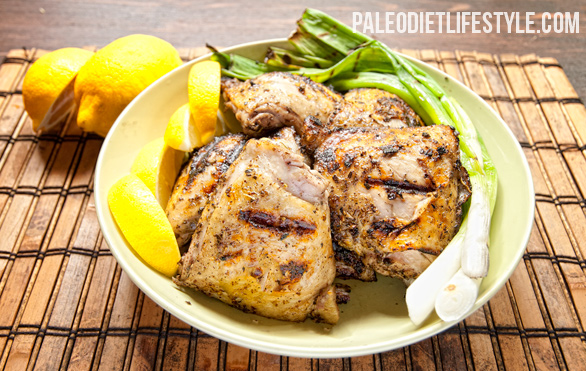
With a history that goes back to the Book of Exodus, zaatar is a Middle Eastern spice blend that carries a heavy weight of cultural tradition. Regional variations of the recipe are touchstones of social identity, and used to flavor everything from bread to yogurt to fried vegetables. Some enthusiasts even eat it straight – in fact, it’s so popular that the wild thyme used to make the mix was in danger of extinction before Israel declared it a protected species.
Outside the Middle East, you can usually find zaatar in specialty stores, but mixing up the blend yourself gives you a lot more control over the flavor, and a chance to work with some interesting new spices. Thyme, basil, and oregano are easy to find at any grocery store. Sumac might send you foraging a little more widely: find it at an ethnic market or order it online if you have to. It’s definitely worth the effort to find and include it, especially since once you have the sumac, you can expand your cooking repertoire by using it in all kinds of other dishes as well.
Zaatar traditionally also includes sesame seeds. Sesame seeds are a gray area food – like other nuts and seeds, they’re high in minerals, but also in phytic acid and Omega-6 fats. Used as a garnish once in a while they’re probably not dangerous, but I’ve left them out of this recipe for people who prefer to avoid them entirely.
Besides the zaatar, this recipe is very simple. A quick turn on the grill cooks the chicken while allowing the spice mix to truly shine through. Mixed with olive oil and lemon juice, the zaatar flavor is heady and fragrant: close your eyes and savor every bite, and you might even start to understand how some people eat it plain.
Zaatar Grilled Chicken Recipe
Serves 4
Prep Time: 15 min.
Cooking Time: 15 min.
Ingredients
- 4 chicken thighs;
- 1/4 cup. olive oil;
- 2 tbsp. zaatar (ingredients below);
- 2 tbsp. lemon juice;
- 1 tsp. lemon zest;
- 1 garlic clove, minced;
- Sea salt and freshly ground black pepper;
Zaatar
Ingredients
- 1/4 cup. sumac;
- 2 tbsp. dried thyme;
- 1 tbsp. dried basil;
- 2 tbsp. dried marjoram;
- 2 tbsp. dried oregano;
Preparation
- Preheat a grill or BBQ to medium high.
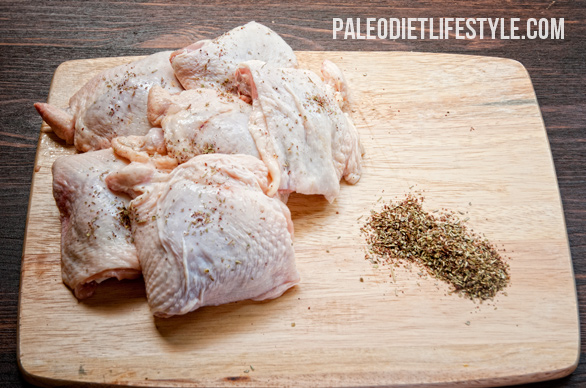
- In a small bowl, combine all the ingredients for the zaatar and mix well.
- In another bowl, whisk together the olive oil, the zaatar, the lemon juice, the lemon zest, the garlic, and season with salt and pepper to taste.
- Dip each piece of chicken in the mixture, making sure they are all well coated.
- Place the chicken on the grill and cook on each side until well done, about 7 to 8 minutes per side. Serve hot.
P.S. Have a look at the Paleo Recipe Book. It's a cookbook I've created to help you cook the best Paleo food. It contains more than 350 recipes and covers everything you'll ever need.

↓


- Over 350 easy recipes divided into 18 food categories. Enough options to cover everything you will ever need.
- 100% Paleo aproved: No grains, no dairy, no legumes, no sugar, no vegetable oils and no preservatives.
- Cooking guides and charts to help you cook just about anything.









Articles and information on this website may not be copied, reprinted, or redistributed without written permission.
All material on this website is provided for your information only and may not be construed as medical advice or instruction. No action or inaction should be taken based solely on the contents of this information; instead, readers should consult appropriate health professionals on any matter relating to their health and well-being.
The information and opinions expressed here are believed to be accurate, based on the best judgement available to the author, and readers who fail to consult with appropriate health authorities assume the risk of any injuries or health issues.